
Perinatal Mental Health Therapy | Prenatal & Postpartum Counselling Online in BC
Becoming a parent is a big change. You don't have to carry it alone.
Pregnancy and new parenthood are supposed to be joyful, which can make it especially isolating when you're also anxious, low, overwhelmed, or grieving the life you had before. Struggles with perinatal mental health are far more common than anyone admits. They don't mean you're failing or that you don't love your baby. Many parents expect to feel happy all the time, so when the reality is more complicated, it can feel isolating. The right maternal mental health support during this season can make an enormous difference.
At Psychotherapy Room, we offer warm, non-judgmental counselling for people during pregnancy, after birth or adoption, and after pregnancy or infant loss. Sessions are available in English and Portuguese, online across British Columbia and in person in Vancouver.
Who we support
Pregnant people experiencing anxiety, low mood, fear about birth, or a difficult pregnancy
New parents navigating postpartum depression, anxiety, OCD symptoms, or overwhelm
Birth trauma: emergency procedures, complications, NICU stays, or a birth that felt out of your control
Pregnancy and infant loss, including miscarriage, stillbirth, and the death of a baby
Partners who are struggling with the transition to parenthood
Newcomers and immigrants parenting far from family, community, and cultural traditions
Adoptive and foster parents adjusting to a new family
Culturally responsive care
Services in English and Portuguese
Postpartum often looks different when you are raising a baby in a new country. You may be missing the support of your mother, sisters, and friends. You may be navigating a health system in your second language. You may feel pressure from cultural expectations about what a "good mother" does, and those expectations may not match your reality here.
Our clinicians work in both English and Portuguese, and understand the emotional weight of migration and distance. You can say things in the language your heart speaks.
You don't have to wait until it gets worse. Reaching out is a sign of strength, not a failure.
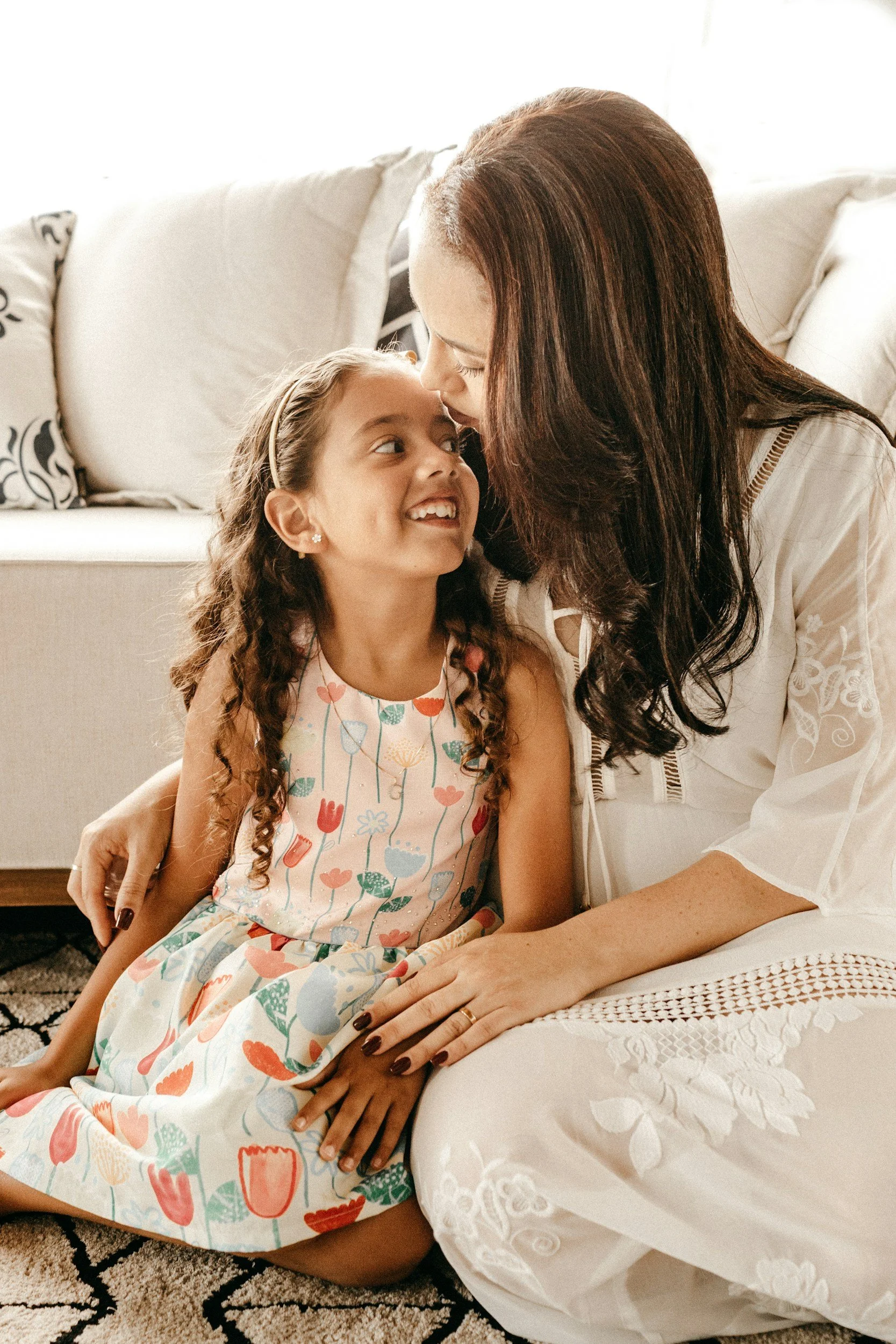
What is perinatal mental health?
"Perinatal" covers pregnancy and the first year or more after birth, adoption, or loss.
How Postpartum Counselling and Prenatal Therapy Help
Your full, complicated reality is welcome here. That includes the love and the loss, the joy and the exhaustion. Therapy supports perinatal mental health by easing mood and anxiety symptoms, helping you adjust to a new identity, and working through the relationship changes that come with a growing family. The goal is more steadiness and connection.
Prenatal and Pregnancy Therapy
Pregnancy can bring worry, mood changes, and fears about birth or parenting. Prenatal therapy gives you room to talk through these feelings before your baby arrives. Pregnancy therapy can also help you build coping skills and prepare for the changes ahead. If you're dealing with low mood or constant worry, prenatal depression therapy can help you feel more like yourself.
Postpartum Depression Therapy
Postpartum depression can look like sadness, exhaustion, irritability, or feeling nothing at all. A postpartum depression therapist can help you understand what you're feeling and find practical ways to cope. Postpartum depression therapy is a judgment-free space to say what feels hard, without pressure to pretend you're fine.
Postpartum Anxiety Counselling
Racing thoughts, constant checking, and trouble sleeping even when the baby sleeps are common after birth. Postpartum counselling can help you calm anxious thoughts, ease physical tension, and rebuild your confidence as a parent.
Postpartum Mental Health Support
Postpartum mental health goes beyond mood and anxiety. Many parents also face identity changes, grief over their old life, and strain in their relationship. Postpartum therapy offers steady support as you adjust, so you can feel more grounded and connected to yourself, your partner, and your baby.
Reproductive Mental Health Support
Your emotional wellbeing matters at every stage of the reproductive journey. Reproductive mental health support gives you a place to work through the feelings that come with pregnancy and becoming a parent
Signs You May Need Prenatal or Postpartum Therapy
During this time, you may experience:
Low mood, tearfulness, or emptiness that won't lift, which can be a sign of prenatal or postpartum depression
Anxiety, intrusive worries, or panic during pregnancy or after birth
Unwanted intrusive thoughts about the baby's safety
Panic, irritability, or anger that feels out of proportion
Trouble sleeping even when the baby sleeps
Guilt that you "should" feel happier
Feeling disconnected from your baby, your partner, or yourself
Grief after miscarriage, stillbirth, or infant loss
Distress after a frightening or traumatic birth
Difficulty adjusting to a new identity, role, or relationship
Strain in your relationship or fears about parenting
If you recognize yourself in this list, you are far from alone.
How we work
Our approach is trauma-informed, anti-oppressive, and culturally responsive. That means:
No shame, no "shoulds." We don't measure you against an ideal of motherhood or parenthood.
Your pace. You decide what you share and when.
Your whole context. Sleep, relationships, culture, migration, finances, and family expectations all shape how the postpartum period feels, and we take them seriously.
Practical tools. Alongside a safe space to talk, we offer skills for anxiety, sleep, self-compassion, boundaries, and asking for help.
Collaboration. We encourage you to stay connected with your family doctor, midwife, or nurse practitioner, especially if you are considering medication or need a medical check-in.
What to expect in your first session
Your first session is a conversation, not an assessment you can fail. We'll talk about what brought you in, what your days look like right now, and what support you already have. Together we'll decide what would be most helpful. Many parents tell us the first relief comes from finally saying things out loud to someone who isn't judging.
Sessions are offered online from wherever you feel most comfortable, or in person at our Vancouver office.
-
Perinatal mental health refers to your emotional well-being during pregnancy and in the first year or more after birth, adoption or pregnancy loss. It includes depression, anxiety, obsessive-compulsive symptoms, birth-related trauma, grief, and the adjustment to a new identity as a parent. These experiences are common and treatable.
-
The baby blues affect many new parents in the first days after birth, with tearfulness, irritability and mood swings that usually ease within about two weeks. Postpartum depression lasts longer or feels more intense. It can involve persistent low mood, loss of interest, exhaustion that sleep does not fix, feeling disconnected from your baby, or feeling like you are failing. It can start during pregnancy or at any point in the first year.
-
Yes. Postpartum anxiety often shows up as constant worry, racing thoughts, checking on the baby repeatedly, tension in the body, or being unable to sleep even when the baby is asleep. Some parents also have unwanted, frightening intrusive thoughts about the baby's safety. These thoughts are more common than most people realize, they do not mean you will act on them, and they respond well to support.
-
Birth trauma is an emotional response to a birth or pregnancy experience that felt frightening, out of control or unsafe, including emergency procedures, complications, NICU stays, or pregnancy and infant loss. Symptoms can include flashbacks, nightmares, avoidance and intense fear. Trauma-informed counselling can help you process what happened at your own pace.
-
Reach out if low mood, anxiety or overwhelm lasts more than two weeks, is getting worse, or affects your sleep, eating, bonding or daily life. You do not need to wait until things feel bad enough. If you have thoughts of harming yourself or your baby, feel confused, see or hear things others do not, or have not slept for days and feel unlike yourself, seek emergency care right away: call 911, go to the nearest emergency department, or call or text 9-8-8. Your family doctor, midwife or HealthLink BC at 8-1-1 can also help you find care.
-
Yes. Psychotherapy Room offers counselling in English and Portuguese, online across British Columbia and in person in Vancouver. Our approach is trauma-informed and culturally responsive, and we understand how migration, distance from family, language barriers and different cultural expectations about motherhood can shape the postpartum experience.
-
You can request a session through our online booking page. Registered Clinical Counsellor services are not covered by MSP, but many extended health benefit plans reimburse them, so check your plan for coverage details.
If you need urgent help
Psychotherapy Room is not an emergency service. Seek help immediately if you:
Have thoughts of harming yourself or your baby
Feel confused, see or hear things others don't, or feel very unlike yourself
Haven't slept for days and feel out of control
Call 911, go to your nearest emergency department, or call or text 9-8-8 (Suicide Crisis Helpline, available 24/7 across Canada). You can also call HealthLink BC at 8-1-1 to be connected with health services.
These symptoms can be treated, and getting help quickly matters.